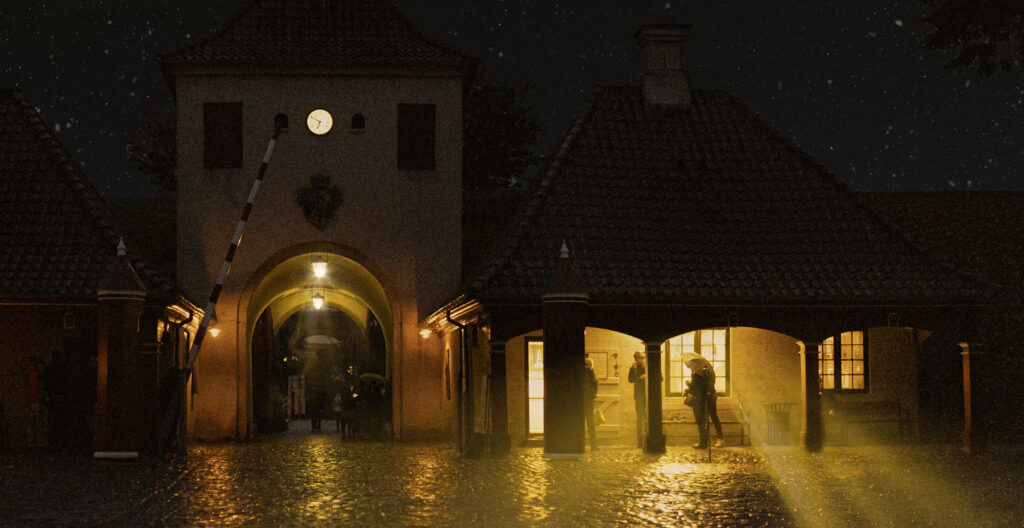
Step through the gate to another world and find 25 different activities - for both children and adults - all in one place.
Experience The Citadel after dark! Put on your curious glasses and let your flashlight guide the way.
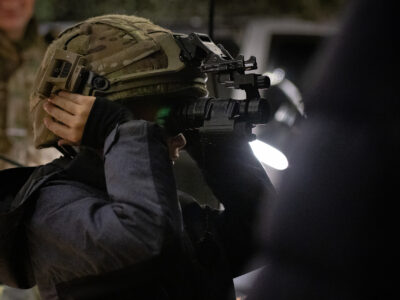
Get camouflaged like a real soldier and head underground into the World War II bunker. Perhaps the rescue dogs will find you? If not, the drones may have to spring into action. This 360 year old military town is full of secrets.
Explore the many museums and become part of history, or step into the virtual world and discover more about over 190 Danish missions. Exciting adventures are waiting behind the fortress ramparts.
We promise you a truly special Culture Night at The Citadel!
Address
Kastellet 1,
2100 København Ø
https://www.kastellet.dk
Time
18:00 - 23:00
Event type
Accessibility
Area

Associated events
World War II Bunker
Come underground and explore the bunker built by the Germans during World War II. Once intended for military command, it is now used by Denmark’s veterans. Its two metre thick walls shut out the noise of everyday life. Visit the hidden bunker near the Commandant’s House and learn more about its history and Denmark’s veterans. Can you find it?
The Dannebrog Resistance Group
Would you have dared to join the resistance? Meet the Dannebrog Resistance Group and get close to Denmark’s fight for freedom during World War II. See period clothing and equipment, hear stories from the occupation, and gain a vivid insight into life as a resistance fighter – with secrets, hard choices, solidarity and the risk of discovery.
Military Vehicles
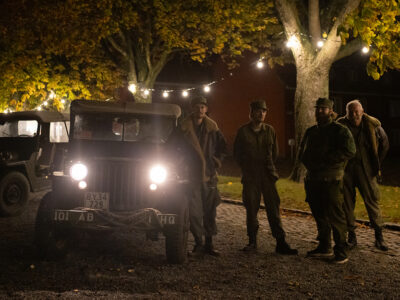
See historic military vehicles up close and meet members of the Guard Hussar Regiment’s Veteran Armour and Vehicle Association (GHRVPK) and the Danish Military Historical Vehicle Association (DMKF). They travel from far away to display their vehicles. Weather permitting, DMKF may even take you for a short ride in a jeep.
Meet a Hunsman
Meet soldiers from the danish Home Guard. Hear about their training and duties – including the special ones. They support Copenhagen Police, represent Denmark at parades at home and abroad, and fire salutes from the Citadel's cannons. See uniforms and get camouflaged like a soldier before heading into Culture Night.
DAFARO
Explore two ambulances - a VW Caravelle from AIREVAC and a Mercedes Sprinter - used by emergency teams at Danish air bases. The vehicles are operated nationwide by doctors, nurses and specially trained staff. Have your blood pressure checked, get a plaster and talk to the personnel on duty.
Garderhøj Fortress
Garderhøj Fortress tells the story of life in Copenhagen’s fortifications during World War I. See historic weapons and feel how heavy they are. The particularly brave can put on a doctor’s coat and help remove bullets from the leg of a poor wounded soldier.
The Royal Life Guards’ Corps of Drums
Experience a concert where tradition meets the present day. Classic ceremonial drum music is combined with a modern twist. Trumpeters and drum soloists perform well known popular music with a light show, energy and plenty of powerful beats. Expect an experience out of the ordinary!
The Gunpowder Tower in the Queen’s Bastion
Built in 1702, the Gunpowder Tower had extra thick walls and a thin roof, so any explosion would be directed upwards. It could hold 50 tonnes of gunpowder. After an explosion near Nyboder, all gunpowder was removed from the Citadel. From 1817 to 1847, the tower was instead used as an emergency prison – probably the worst prison in Denmark...!
Danish Emergency Management Agency
Meet the Danish Emergency Management Agency’s rescue dogs during a small search exercise at Church Square and see their drones in action. You can also learn how to join the Agency as a volunteer, conscript, sergeant or officer.
Jazz in the Column Hall
We turn the Column Hall by the Citadel Church into an intimate jazz club. Come and hear Lindblad Jazz feat. Bjarne Roupé. The trio plays modern guitar jazz and bebop, improvising over classic jazz standards. Bjarne Roupé on guitar, Lars Holm on bass and Lars Bo Lindblad on drums.
The old Prison Behind the Church
Built against the Citadel Church in 1725, the old prison held both state prisoners and convicts sentenced to hard labour in chains. Among its prisoners were Struensee and the notorious escape artist John Norcross, who were both imprisoned here in the 18th century.
The Citadel's Mill
Visit the Citadel’s old mill in the King’s Bastion. Step inside Copenhagen’s last working windmill and hear the story of the military bakery that supplied the city’s garrisons. Grind your own flour and take home the historic recipe for Kastellet Bread, once known as Copenhagen’s best rye bread.
Female Veterans
Meet a female veteran who has served in some of the world’s conflict zones. Learn about the Female Veterans association, its focus areas and events for veterans and their families. Support the association by buying T-shirts, wristbands and tote bags with the slogan “Fight like a Girl”.
Soldiers from the Schleswig Wars
The Schleswig Wars are an important part of Danish history. The First Schleswig War took place from 1848 to 1851, and the Second in 1864. Meet soldiers in 19th-century uniforms and see historic rifles, uniforms and other equipment used by soldiers of the time. Stop by and learn more about Denmark’s military history.
The Huntsmen Museum
The King’s Huntsmen Corps Shooting Association (KLKS), founded in 1817, is probably Denmark’s oldest shooting association. The museum tells the story of the King’s Huntsmen Corps from 1801–1937 and the Huntsmen Shooting Association from 1817. Today, KLKS is a modern shooting association and a member of the Danish Shooting Associations.
Music with the Storstrømmen Corps of Drums
If you enjoy the sound of drums and fifes, don’t miss the Home Guard’s Storstrømmen Corps of Drums. They perform around the Zealand Ravelin, in the streets of the Citadel and at Church Square. Come and enjoy plenty of music. The corps is part of the Home Guard’s Music and Corps of Drums Storstrømmen, based at Vordingborg Barracks.
Exhibition: Denmark’s Contribution
Step into a virtual world and explore more than 190 missions involving personnel from the Danish Armed Forces, Police, Danish Emergency Management Agency and Tax authorities since 1948. See photos, displays, uniforms and video interviews. Leave a message on the Tree of Life and talk to a veteran.
Air Force Home Guard
The Air Force Home Guard has 28 squadrons and two platoons. Meet Home Guard Squadron 227 at Culture Night at the Citadel. Based at Copenhagen Airport, HVE227 carries out a wide range of tasks. See the equipment they use and learn how they support the Danish Armed Forces.
The Citadel Church by Candlelight
Step inside the beautiful Citadel Church, illuminated by candlelight throughout the evening. Parish priest Else Hviid will be there if you would like someone to talk to. During the evening, there will also be organ demonstrations and meditative music accompanied by light installations.
Dance at Dusk
RuBA Show Team has created a special choreography for Culture Night at the Citadel and is ready with an energetic, powerful performance. RuBA performs “Blinded” three times during the evening: 18:30 at the Citadel’s Mill, 19:00 and 19:50 at the Commandant’s Residence. Please note: Cancelled in case of rain.
The Citadel's Historical Collection
How much do you know about the Citadel? Have you heard of the Flea Theatre or the old shooting range and stray bullets at Langelinie? The Citadel's Friends can tell you more. You can also see a Bronze Age cup marked stone discovered by archaeologists during the Cloudburst Project.
Choir Concert at the Norway Gate
The acoustics of the Norway Gate are surprisingly well suited to choral music. That is why the Citadel Church Choir performs a short concert here. Come and hear well known Danish evening and autumn songs in these beautiful, historic surroundings.
1st Regiment's Museum
The Danish Life Regiment was founded by King Frederik V in 1763 and was garrisoned in the Citadel for 84 years. Its regimental association was founded in 1910. Visit the Museum, hear the regiment’s history and see old uniforms and objects donated by former officers, NCOs and conscripts.
Organ Demonstration for Children and Adults
Get up close as the Citadel Church organ is presented and demonstrated. Bring the children and discover this fascinating instrument. Church organist Johan Sigvard Jensen explains how the organ works and plays it for interested children and adults.
The Residence in the Artillery Barracks
The Artillery Barracks once housed the gunners who manned the Citadel’s cannons and the head of its artillery. Visit the Residence and see how a soldier’s family lived in the 18th century. See a doll’s house showing a home around 1950. In 1664, the building was 20 metres shorter than today – do you know why?
Danish Militaria Association
How much do you know about Denmark’s military past? Relive history in an engaging and educational way through a special collection of weapons, equipment and uniforms. Hear the stories behind the objects and learn about their significance and era. Meet the passionate members of the Danish Militaria Association and share in their extensive knowledge.
Meditative Organ Music and Light Installation
Citadel Church organist Johan Sigvard Jensen performs meditative music by J.S. Bach, Maurice Duruflé and Arvo Pärt while light installations illuminate the beautiful church interior. Enjoy a moving experience for both eyes and ears before continuing your Culture Night.
WW2 Tommies
Is war only about soldiers on the battlefield? Not with WW2 Tommies. Discover life during the Second World War and see original equipment, each piece with its own story. Hear about soldiers and civilians – and women who played key roles on the home front and in uniform. Here, wartime life becomes personal, and history is seen from another angle.
Cafe Castello
Step into Cafe Castello, warm up and treat yourself to a delicious meal or something sweet. Hot meals are served from 18:00–20:00. From 18:00–22:00, you can buy coffee, cake and refreshing drinks.